The Murder That Shocked a Nation
The assassination of Israeli Prime Minister Yitzhak Rabin on November 4, 1995, was not only the loss of a leader but a seismic event that exposed the depths of religious extremism within Israel. The perpetrator, Yigal Amir, was no solitary madman; he was the product of Israel's far-right religious circles, and his actions were a stark demonstration of where blind faith and nationalism intertwined with violence could lead.
A Background of Incitement
In their profound investigation, authors Michael Karpin and Ina Friedman illuminate the network of incitement that set the stage for assassination. This network included radical rabbis, politicians, and West Bank settlers, all of whom played a dire role in inciting the public against Rabin and his peace initiatives.
Zealotry Behind the Murder
Amir’s conviction in the divine right to the land based on biblical promises fed into the larger, dangerous rhetoric of religious fundamentalists who rejected any form of compromise. This inflexibility was the tinder that ignited the call for extreme actions against those deemed 'traitors' to their cause.
Government Response and Societal Implications
Notably, the response from the government to the rise in religious extremism was muted at best. Tacit acceptance of vigilante actions and the blurring of religious and civil law in Israel cultivated an environment in which unthinkable violence found justification and even commendation in the eyes of radicals.
Impacts on Israeli Society and Beyond
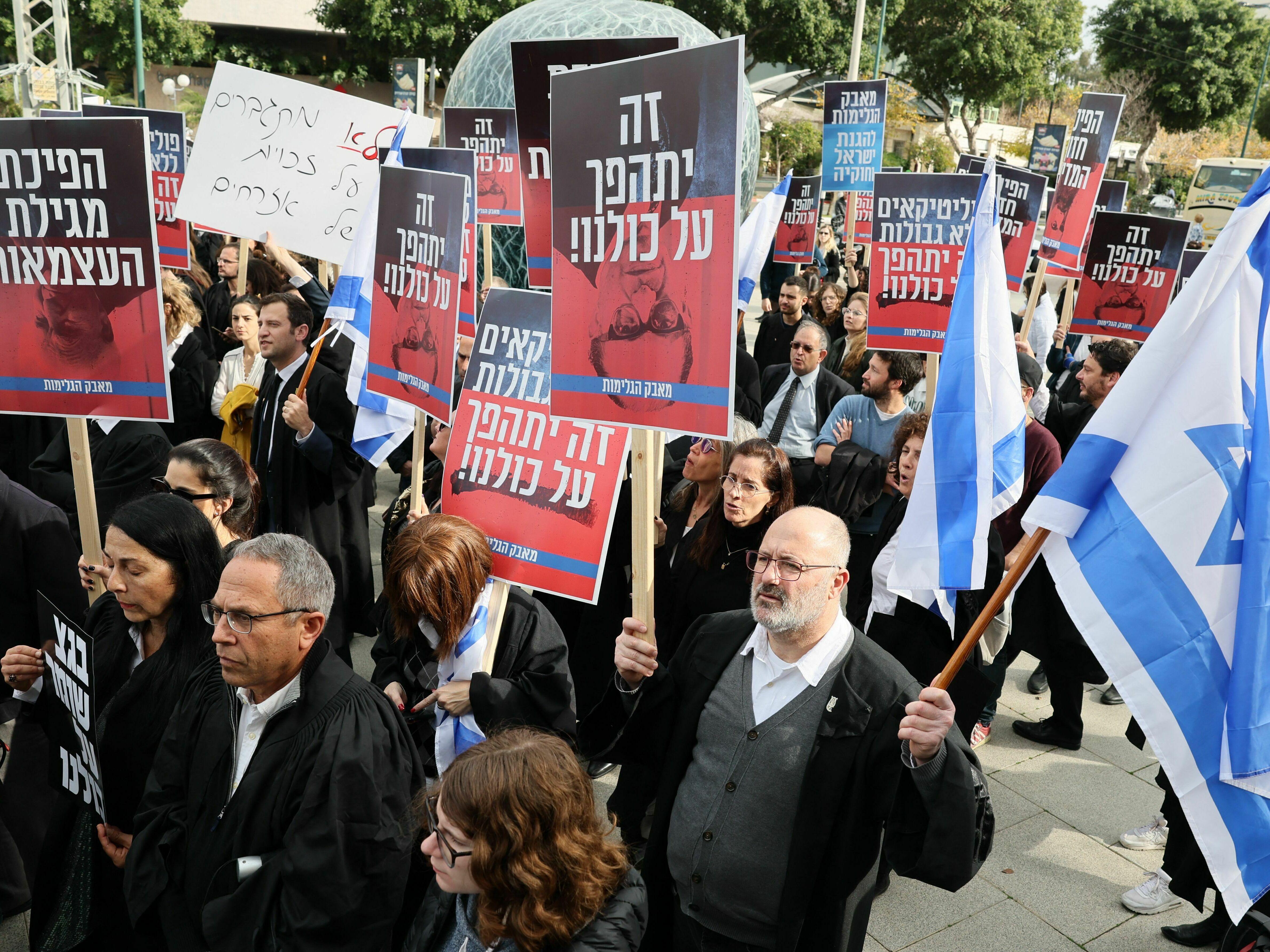
In documenting the aftermath of the assassination, Karpin and Friedman depict a society grappling with its identity, as divides between secularism and religious authority deepen, threatening the foundational democratic principles of the country.
Reflections on a Rallying Point
At a fundamental level, the assassination served as a grim rallying point, bringing attention to the threats posed by religious extremism to the democratic fabric. It illustrates a universal truth: when faith is weaponized against reason and discussion, society as a whole suffers.
The Journey Ahead
Travel has the power to broaden perspectives, to show us the beauty of diversity and the value of coexistence. As people who traverse the world and its myriad cultures, it is our obligation to learn from events such as the murder of Yitzhak Rabin. The process of peace is itself a journey; one that requires mutual understanding, respect, and the embrace of shared values over divisive doctrines. As we explore the world around us, let us carry the lessons of history with us, ensuring our travels contribute to the bridging of divides and the healing of wounds inflicted by hatred.